 Chuckanut
 New Roof Installation for York Homes Near Chuckanut
Homes in the York area sit close enough to the water and the tree line to take a real beating from the weather every single year. Salt-laden air off the bay, driving winter rain that comes in sideways, and a moss season that seems to start earlier and last longer than it used to — all of it works against a roof that isn't built and installed with this exact climate in mind. A new roof here isn't just a cosmetic upgrade. It's the single biggest thing standing between your home and the wettest months of the year in Whatcom County.
We install new roofs for homeowners throughout the York area and the rest of Chuckanut, and we approach every job the same way: figure out what the roof actually needs to survive here, not just what's cheapest or fastest to put up. That distinction matters more in this corner of Washington than almost anywhere else in the state.
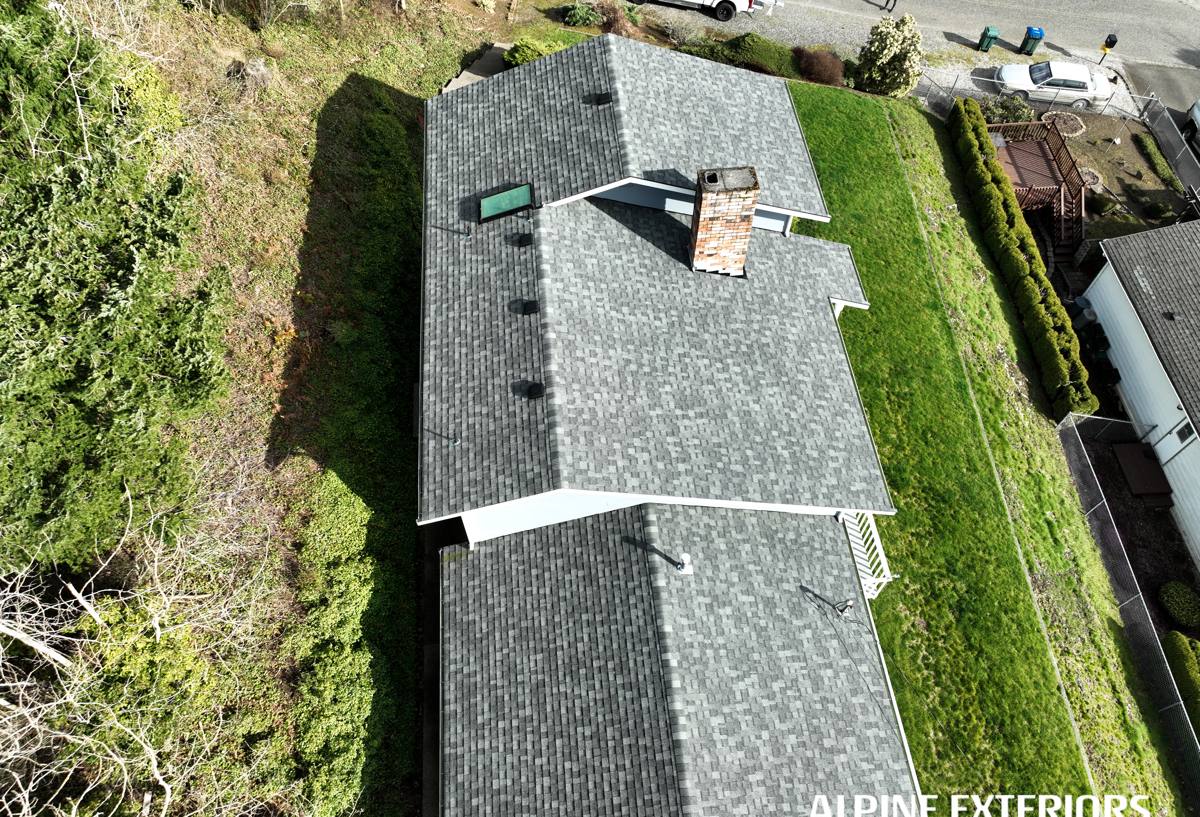
Why York's Climate Is Harder on Roofs Than People Expect
A lot of homeowners assume a roof is a roof — that shingles are shingles wherever you put them. That's not true in a marine climate like this one. Three specific conditions drive most of the roof failures and premature replacements we see in this area.
Salt Air and Corrosion
Proximity to salt water accelerates the breakdown of unprotected metal. Fasteners, flashing, and drip edge that would last decades inland can start corroding in a fraction of that time here if they're the wrong grade of material or installed without proper sealing. This is one of the most overlooked factors in roof longevity along the Whatcom County coastline.
Driving Rain and Wind-Driven Moisture
Rain that falls straight down is fairly easy for any roof to shed. Rain that's being pushed sideways by wind off the water is a different problem entirely — it finds gaps, works up under shingle edges, and tests every seam, valley, and penetration on the roof. Underlayment quality and flashing detail work matter enormously in these conditions, arguably more than the shingle brand itself.
Moss, Shade, and Moisture Retention
Between the tree cover common in this area and the long stretch of wet, mild weather, moss and algae growth is close to unavoidable without some planning. Moss doesn't just look bad — it holds moisture directly against the roofing material, works its way under shingle tabs as it grows, and can shorten the life of an otherwise sound roof by years if it's left unmanaged.
What a Correct Roof Installation Actually Involves
A new roof is made up of several layers working together, and skipping or shortcutting any one of them is where most premature failures start. Here's what we consider non-negotiable on every installation in this area.
- Tear-off and deck inspection: Old roofing is fully removed so the deck underneath can be inspected for soft spots, rot, or hidden moisture damage — problems you cannot see or fix by roofing over them.
- Deck repair: Any damaged sheathing gets replaced before anything new goes down. Nailing new shingles to a compromised deck is a shortcut that costs homeowners far more later.
- Ice and water shield at vulnerable points: Eaves, valleys, and areas prone to wind-driven rain get a self-adhering waterproof membrane, not just standard felt.
- Synthetic underlayment across the field: A full water-resistant barrier under the shingles, sized and lapped correctly for our rain patterns.
- Corrosion-resistant flashing and fasteners: Given the salt air factor, we use materials rated for coastal exposure around chimneys, walls, skylights, and roof-to-roof transitions.
- Proper ventilation: Balanced intake and exhaust airflow keeps moisture from building up in the attic, which protects both the new roof and the insulation below it.
- Correct shingle nailing pattern and exposure: Installed to manufacturer spec, not "close enough" — this is what actually determines wind resistance and warranty validity.
Any one of these steps done poorly can undercut the rest. A roof is a system, and it only performs as well as its weakest layer.
Our Installation Process, Start to Finish
1. On-Site Assessment
We walk the roof and the attic, note the current condition, check ventilation, and look for any signs of past leaks, moss damage, or deck issues. This is also when we talk through material options based on your home's exposure and your priorities — budget, appearance, longevity.
2. Clear, Written Estimate
You get a straightforward proposal covering material, scope of work, and price — no vague allowances or surprise add-ons buried in fine print.
3. Material Delivery and Site Protection
Landscaping, gutters, and outdoor living spaces are protected before tear-off begins. We keep the site organized and use magnetic sweeps to clear nails and debris.
4. Tear-Off and Deck Repair
Old roofing comes off, the deck gets inspected and repaired as needed, and any hidden moisture damage is addressed before it's covered up again.
5. Underlayment, Flashing, and Shingle Installation
Each layer goes down in the correct order and to spec — ice and water shield, underlayment, flashing, then the finished roofing material, installed with attention to the details that matter in this climate.
6. Final Walkthrough
We inspect the completed roof with you, confirm cleanup is thorough, and go over care and maintenance so you know what to watch for going forward.
Choosing the Right Material for a Marine Climate
There's no single "best" roofing material — the right choice depends on your home's exposure, roof pitch, budget, and how much long-term maintenance you're willing to take on. Here's how the common options compare for a property in the York area.
| Material | Moisture & Moss Resistance | Typical Lifespan | Maintenance Needs |
|---|---|---|---|
| Architectural asphalt shingles | Good, especially with algae-resistant granules | 25-30 years | Periodic moss removal, gutter checks |
| Standing seam metal | Excellent — sheds moisture, resists moss growth | 40-60 years | Low, but fasteners and coastal-grade materials matter |
| Synthetic/composite shingles | Very good | 30-50 years | Low to moderate |
| Cedar shake | Fair — attractive but moisture-sensitive without diligent upkeep | 20-30 years with maintenance | Higher — regular treatment and moss management |
We're honest with homeowners about trade-offs rather than steering everyone toward one product. Cedar shake, for example, looks great and has a long tradition in this region, but it demands a level of ongoing maintenance in a wet, shaded climate that not every homeowner wants to take on — that's a maintenance conversation, not a knock on the material itself. Metal roofing has a higher upfront cost but performs exceptionally well against both moss and salt air over the long run. Architectural asphalt remains the most common choice because it balances cost, appearance, and performance reasonably well when installed correctly with algae-resistant shingles.
Signs a York Home May Need a New Roof Soon
- Granules collecting in gutters or at downspouts
- Shingles that are cupping, curling, or cracking
- Visible moss or algae streaking across the roof surface
- Soft spots or sagging when walked on
- Daylight visible through the attic roof boards
- Water stains on interior ceilings or upper walls
- Flashing that's rusted, lifted, or pulling away around chimneys and vents
- A roof approaching or past its expected lifespan for its material
Any one of these on its own isn't necessarily an emergency, but a few together usually mean it's time for a professional look before a small issue becomes a bigger, more expensive one.
Why It Matters to Hire a Crew That Already Works in This Area
Roofing crews who mostly work drier, inland climates don't always think about coastal-grade fasteners, wind-driven rain detailing, or moss-resistant shingle selection — because those factors simply don't come up as often where they normally work. A crew that regularly installs roofs around Chuckanut and the York area already builds those considerations into every job by default, not as an afterthought.
That local familiarity also shows up in smaller, practical ways: knowing how Whatcom County's rain patterns tend to stress certain roof geometries, understanding how tree cover in this area affects moss growth and ventilation needs, and being realistic with homeowners about timelines given how often the weather here cooperates — or doesn't — with roofing work.
Protecting Your Investment After Installation
A correctly installed roof still benefits from basic ongoing care, especially in a climate like ours.
- Keep gutters and downspouts clear so water isn't backing up under the roof edge
- Have moss and debris removed before it builds up thick enough to hold moisture
- Trim back overhanging branches to reduce shade, debris, and physical damage risk
- Schedule a periodic visual inspection, particularly after major storms
- Address minor flashing or sealant issues promptly rather than waiting
None of this is difficult or expensive, but skipping it is how a well-installed roof loses years off its lifespan in a climate this wet.
Get a Free, No-Pressure Estimate
If your roof in the York area is showing its age, or you just want an honest opinion on where it stands, we're happy to take a look. There's no pressure and no obligation — just a straightforward assessment and a clear estimate so you can make the decision that's right for your home and your budget. Use the form below to get started.