 Chuckanut
 Building a Deck That Actually Holds Up in Alger
Alger sits close enough to Chuckanut Bay and the water that a deck here lives a different life than one built twenty miles inland. Salt-tinged air, long stretches of driving rain, and a moss season that seems to start earlier every year all work against wood, fasteners, and finishes in ways that don't show up right away. A deck that looks fine the first two summers can start telling on itself by year four or five if it wasn't built with this specific climate in mind. This page covers what actually matters for deck building in Alger and the surrounding Chuckanut area — not generic deck advice, but the material choices, structural details, and maintenance habits that make the difference here.
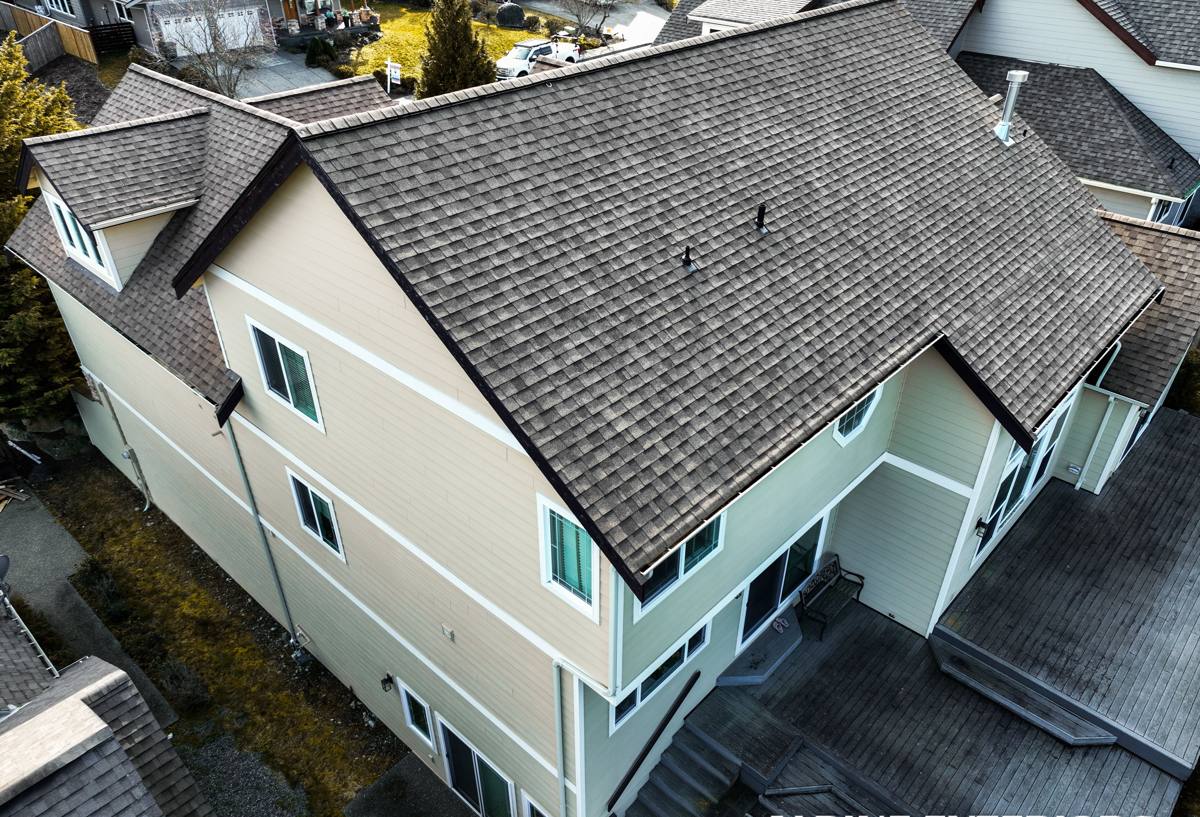
What Alger's Climate Actually Does to a Deck
Three things drive most of the deck problems we see in this part of Whatcom County, and they compound each other.
Salt Air and Metal Fatigue
Proximity to Chuckanut Bay means a fine, near-constant exposure to salt-laden air, especially on decks with any western or southern exposure. Salt air accelerates corrosion on anything that isn't rated for it — standard fasteners, cheap hardware, and unprotected metal railings all degrade faster here than they would on a deck built the same day in a drier, inland location. The corrosion is often invisible until a fastener head snaps off or a railing post starts to wobble.
Driving Rain and Standing Water
Rain here doesn't just fall straight down — wind-driven rain gets pushed sideways into ledger connections, under railing posts, and into any gap where end grain is exposed. Combined with our long wet season, that means wood surfaces stay damp for extended stretches, which is exactly the condition that rot and fungal growth need to get started.
Moss and Organic Growth
A long moss season means anything horizontal — deck boards, stair treads, the tops of railings — collects moisture-holding organic material for much of the year. Moss doesn't just look bad; it holds water against the wood surface and turns walking surfaces slick, which is a real safety issue on stairs and ramps.
Choosing Decking Material for This Site
There's no single "best" decking material for every home — the right call depends on how exposed the site is, how much maintenance the homeowner wants to do, and budget. Here's how the common options actually perform under Alger conditions.
| Material | Moisture & Moss Resistance | Maintenance | Typical Lifespan Here |
|---|---|---|---|
| Pressure-treated pine | Decent if sealed regularly; end grain and fastener holes are weak points | Annual cleaning and re-sealing recommended | 15-20 years with upkeep |
| Western red cedar | Naturally rot- and insect-resistant, but surface still holds moss without cleaning | Periodic cleaning, occasional oil or stain | 20-25 years with upkeep |
| Composite decking | Very good — non-porous surface resists moisture absorption and rot at the board level | Occasional wash-down, no sealing or staining | 25-30+ years, manufacturer-dependent |
| PVC decking | Excellent moisture resistance; least prone to any water absorption | Low — wash-down only | 25-30+ years, manufacturer-dependent |
Composite and PVC decking tend to make the most sense for homeowners who want to spend their weekends doing something other than deck maintenance, especially on decks with heavy sun/shade mixing that speeds up moss growth on wood. Cedar still has a strong following for its appearance and the fact that, done right, it ages well — but it asks more of the homeowner in return. We'll walk through the honest trade-offs for your specific site rather than push one product across the board.
A Note on Product Selection
We're selective about which composite and PVC lines we install. Some budget composite boards on the market have had documented moisture-absorption and swelling issues in wet marine climates, and their warranty structures don't always hold up to a real claim. We install brands with a track record in Pacific Northwest conditions specifically, and we'll tell you plainly if a product line isn't one we're willing to put our name behind — not because it's automatically bad everywhere, just because it's not right for a site that sees what Alger sees.
Where Decks Actually Fail: Substructure and Drainage
Most deck failures we get called out for aren't really about the decking boards — they're about what's underneath and behind them.
The Ledger Connection
Where a deck attaches to the house is the single most common failure point in this climate. Wind-driven rain gets pushed against that seam, and if it's not properly flashed, water works its way behind the ledger board and into the house rim joist. This can go undetected for years because the damage happens on the hidden side of the wall. A correct ledger installation uses proper flashing, a water-resistant barrier behind it, and code-compliant structural fasteners — not just lag screws into siding.
Joist Protection
Untreated joist tops sitting under decking boards are a slow rot problem waiting to happen, especially with the amount of standing moisture this area sees. Joist tape or a comparable protective barrier over the top of each joist keeps water from wicking into the wood through screw holes and cut ends.
Footings and Post Bases
Ground contact is a moisture problem all its own. Posts should sit on proper post bases that hold the wood off the concrete and away from standing water, with footings sized and set to local frost and soil conditions rather than guessed at.
Drainage Under the Deck
On lower decks especially, water needs somewhere to go. Grading beneath the deck, gaps between boards sized correctly for water shedding, and keeping vegetation from crowding the underside all matter more here than they would in a drier climate, where a little standing water evaporates before it becomes a problem.
Railings, Fasteners, and Hardware
This is where salt air does its quiet damage. We use stainless steel or otherwise corrosion-rated fasteners and structural hardware on every deck we build here — not because code always requires the top tier, but because we've seen what standard galvanized hardware looks like after a few seasons of salt-tinged coastal air. The cost difference on hardware is small relative to the whole project; the failure it prevents is not. The same logic applies to railing systems: metal components should be rated for coastal exposure, and any wood railing components need the same moisture protection as the decking itself, since horizontal railing caps collect the same standing moisture and moss as deck boards.
Our Process
Deck projects in Alger go through the same disciplined process regardless of size, because skipping steps is exactly how the hidden problems described above get built into a brand-new deck.
- On-site assessment of the existing structure (for replacements) or the attachment point and grading (for new builds), including a look at drainage and sun/shade exposure that affects moss and moisture.
- Material walkthrough based on your maintenance preference and budget, with honest trade-offs explained rather than a single upsell.
- Permit handling with the local jurisdiction where required.
- Structural work first — footings, framing, ledger flashing, joist protection — inspected before decking goes down.
- Decking, railing, and stair installation with corrosion-rated hardware throughout.
- Final walkthrough covering how your specific material should be cared for through our wet season.
Maintaining a Deck Through Alger's Wet Season
Even a well-built deck needs some seasonal attention in this climate. What that attention looks like depends heavily on the material — composite and PVC need far less than wood.
- Sweep debris and standing organic matter off the deck surface regularly through fall, when it accumulates fastest.
- Clean moss and algae off boards and stair treads before it becomes a slip hazard — pressure washing wood decking too aggressively can damage the surface, so use the method appropriate to your material.
- Check that gaps between boards haven't filled in with debris, which blocks proper drainage.
- Inspect railing posts and stair connections annually for any looseness, which can signal hardware corrosion starting underneath.
- Re-seal or re-stain wood decking on the schedule the product calls for — skipping a cycle in this climate compounds fast.
- Keep gutters and downspouts near the deck clear so roof runoff isn't dumping extra water onto or under the structure.
Why Local Deck-Building Experience Matters in Alger
A deck built to a generic national spec sheet will pass inspection almost anywhere. Whether it's still solid in ten years depends on details that only show up when you've actually built and repaired decks in this specific climate — how much flashing is really enough at the ledger, which hardware finishes hold up against the salt air here, how aggressive the moss season really gets on a shaded northern exposure. A crew that already works Alger and the greater Chuckanut area has already seen what fails here and builds around it from the start, instead of learning it on your deck.
If you're planning a new deck or need an honest look at an existing one, we're happy to come take a look and put together a free, no-pressure estimate. There's a form below — tell us a bit about your project and we'll get back to you.