 Chuckanut
 Windows Built for Mount Vernon's Weather, Not Just the Showroom
Mount Vernon homes deal with a specific combination of weather that most window brochures never mention: salt-laden air drifting in off the water, long stretches of driving rain angled sideways by coastal wind, and a moss season that seems to start earlier and last longer every year. None of that shows up on a spec sheet, but all of it shows up on your windows eventually — in the form of fogged glass, soft trim, drafts you can feel with your hand, and energy bills that creep up even though the furnace hasn't changed. Chuckanut Siding installs and services energy-efficient windows for homeowners in and around Mount Vernon, and we approach every job with the local climate as the starting point, not an afterthought.
"Energy-efficient" gets used loosely in this industry. A window can carry a good efficiency rating on paper and still perform poorly on your house if it's installed wrong, flashed wrong, or simply not suited to how weather actually hits your walls in this part of Whatcom County. This page covers what that means in practice — for your home, for your budget, and for how we do the work.
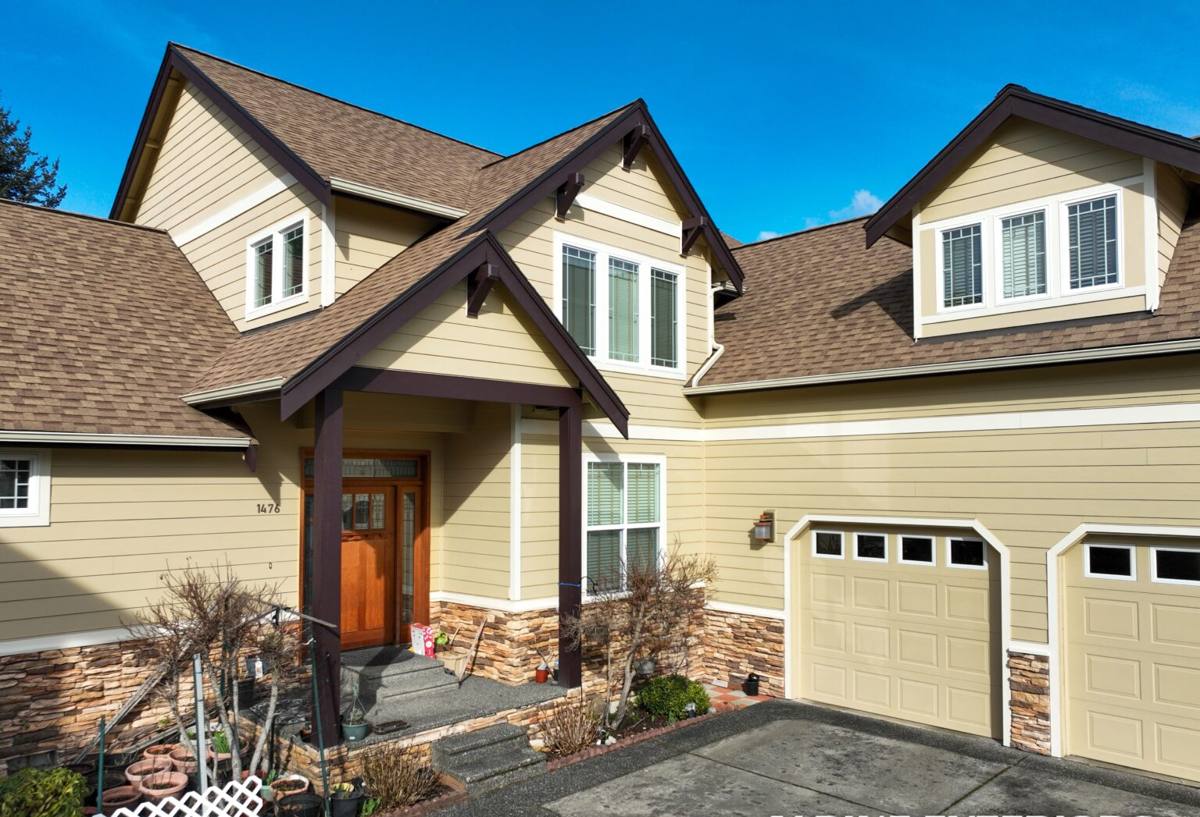
What Mount Vernon's Climate Actually Does to Windows
Salt Air and Metal Components
Homes closer to the water pick up airborne salt that settles on window frames, hardware, and seals over time. On lower-quality hardware, this accelerates corrosion of hinges, locks, and balance mechanisms — the parts that let a window open, close, and lock properly. It also degrades some finishes faster than the manufacturer's climate testing assumes, since that testing rarely accounts for a marine-influenced environment like ours.
Driving Rain and Wind-Driven Moisture
Rain here doesn't just fall — it's frequently pushed sideways by wind, which puts real pressure on window perimeters, especially on the west- and south-facing walls that catch the brunt of incoming weather. A window that would perform fine in a calmer climate can leak at the frame-to-wall junction here if the flashing and sealant details aren't done correctly. This is less about the window unit itself and more about how it's integrated into the wall — which is why installation quality matters as much as the product you choose.
Moss, Shade, and Prolonged Dampness
A long moss season means extended periods where surfaces near windows — sills, trim, and nearby siding — stay damp longer than they would in a drier climate. Wood components that aren't properly sealed or that sit in shaded, slow-to-dry areas are more prone to soft spots and rot over time. This doesn't damage the glass or the sealed unit, but it can compromise the frame and the surrounding structure that the window depends on for a tight seal.
Signs Your Windows Are Working Against You
- Visible condensation or fogging between the panes (a sign the sealed unit's seal has failed)
- Cold drafts near the window frame even when the window is fully closed and locked
- Soft, discolored, or swelling wood trim or sill material
- Windows that are hard to open, close, or lock — often a sign of frame movement or hardware corrosion
- Visible daylight or gaps around the frame from outside
- Noticeably higher heating costs in colder months without a clear other cause
- Paint or finish peeling on interior trim near the window, which often points to trapped moisture
Any one of these is worth a look. Several at once usually means it's time to talk about replacement rather than another round of patching.
What a Correct Window Job Actually Involves
The window unit itself is only part of the equation. In our experience, most performance problems with "energy-efficient" windows in this region trace back to installation details, not the product. A correct job includes:
Proper Removal Without Damaging the Opening
Old windows come out carefully so the surrounding framing, sheathing, and weather barrier are inspected and preserved rather than torn out. This is also when hidden moisture damage from a failed seal or old flashing gets found — better to catch it now than after the new window is in.
Flashing and Water Management
Given how much wind-driven rain this area sees, correct flashing at the head, jambs, and sill is not optional. This is the detail that determines whether water is directed out and away from the wall assembly or allowed to work its way behind the trim over time.
Air Sealing and Insulation
The gap between the window frame and the rough opening gets properly insulated and air-sealed — not stuffed with excess fiberglass, which can actually reduce performance, but sealed with the right material for a consistent thermal break.
Level, Plumb, and Square Setting
A window that's slightly out of square will bind, won't seal evenly, and will wear its hardware and weatherstripping unevenly. This is a basic step, but it's the one most often rushed on lower-quality installs.
Finish Work That Sheds Water
Exterior trim and sealant joints are finished so water is shed away from the window, not trapped against it — particularly important around the sill, where standing moisture does the most damage over time.
Choosing the Right Window for This Climate
There's no single "best" window — the right choice depends on your home's exposure, your budget, and how the window will be used. A few honest trade-offs worth understanding before you decide:
| Factor | What to Consider Locally |
|---|---|
| Frame material | Vinyl and fiberglass generally resist salt-air corrosion better than bare aluminum; wood frames need consistent exterior protection or cladding in a damp, mossy climate |
| Glass package | Double-pane with low-E coating is the practical baseline here; triple-pane adds cost and weight but can be worth it on north- or wind-exposed walls |
| Hardware quality | Corrosion-resistant hardware matters more near the water — cheap hardware is often the first thing to fail, not the glass |
| Installation method | Full-frame replacement allows for proper flashing repair; insert (pocket) replacement is faster and less invasive but depends on the existing frame being sound |
| Sill and trim detailing | Sloped sills and durable trim materials matter more here than in drier climates, where standing moisture is less of a recurring issue |
We'll walk through these trade-offs with you directly rather than pushing a single product line — the right answer genuinely varies by house, orientation, and how the current windows are performing.
Full-Frame Replacement vs. Insert Replacement
Insert (or "pocket") replacement windows fit into the existing frame and are less invasive, often faster, and generally less expensive. They work well when the existing frame is structurally sound and dry. The trade-off is that any hidden moisture damage or flashing problems in the old frame stay hidden.
Full-frame replacement removes the window down to the rough opening, which lets us inspect and correct flashing, sheathing, and framing issues before the new window goes in. It costs more and takes longer, but on a home with any history of leaks, soft trim, or visible moisture staining, it's usually the more honest long-term choice. We'll tell you plainly which situation your home is in rather than defaulting to the faster option.
Our Process for Mount Vernon Window Projects
- On-site assessment. We look at your current windows, the surrounding trim and siding condition, and the specific exposure of each wall to wind and rain.
- Honest recommendation. We explain what's actually needed — insert vs. full-frame, which glass and frame options make sense for your budget and exposure — without upselling products your home doesn't need.
- Written estimate. Clear scope, materials, and timeline before any work starts.
- Careful removal and inspection. Old windows come out with attention to what's underneath, since that's often where the real problems are.
- Correct installation. Proper flashing, air sealing, and leveling — the details that determine how the window performs in five or ten years, not just on day one.
- Finish and cleanup. Exterior trim and sealant finished to shed water, site cleaned up, and a walkthrough so you know what was done and why.
Why Local Experience Matters for This Kind of Work
Window performance problems in this region are rarely about the glass itself — they're about how the window meets the wall, and whether that detail was built to handle wind-driven rain and prolonged dampness rather than a drier, calmer climate. A crew that's worked houses throughout Mount Vernon and the surrounding Whatcom County area has already seen how local exposure, moss buildup, and salt air play out on real homes over real years, not just in a training manual. That experience shows up in the small decisions — how the flashing gets lapped, where the sealant joint goes, how much clearance the sill gets — that a generic install checklist doesn't always capture.
We stand behind our installation work, and we're straightforward about what a given window and installation approach can and can't do for your home. If a cheaper option is the right call for your situation, we'll say so.
Get a Free, No-Pressure Estimate
If your windows are drafty, fogging, hard to operate, or just old enough that you're wondering whether it's time, we're happy to take a look and give you a straight answer. Use the form below to request a free estimate for your Mount Vernon home — no pressure, just an honest assessment of what your windows need.