 Chuckanut
 Siding Built for the Lake Samish Setting
Lake Samish sits in a pocket of Whatcom County that punishes siding differently than an open, sunny lot does. Between the tree canopy ringing the lake, the water itself, and the damp air that settles into the basin overnight, homes here spend more hours of the year wet than dry. We've installed and repaired siding around this lake long enough to know which products hold up to that pattern and which ones quietly fail from the back side, out of view, for years before anyone notices.
This page is specifically about siding installation for homes in the Lake Samish area — what the local conditions demand, what a correct install actually involves, and why we only put James Hardie fiber cement on these homes.
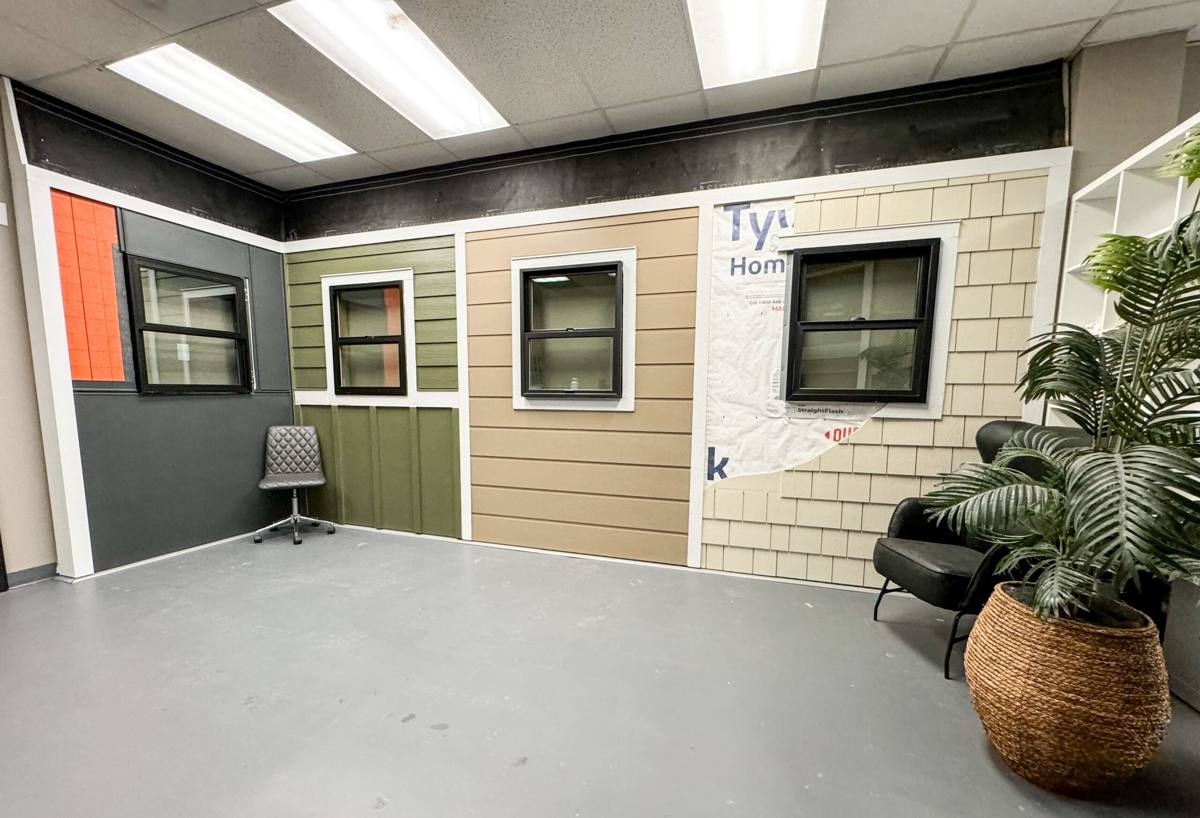
What the Lake Samish Microclimate Does to Siding
Shade and Slow Drying
A lot of homes around the lake sit under mature fir and cedar cover, which is part of what makes the area appealing to live in. It's also what keeps north- and lake-facing walls from ever fully drying out between rain events. Siding that's forgiving of a quick soak-and-dry cycle can still struggle when it's damp for days at a stretch — moisture has more time to find its way behind seams, around trim, and into any spot where the installation wasn't sealed correctly.
A Long Moss and Algae Season
Shade plus standing moisture is exactly what moss and algae need to take hold, and around Lake Samish that season runs long — often most of the fall through spring. Moss on a roof is a maintenance issue. Moss and green staining creeping up siding, especially at the base of walls and under overhangs, is a sign that a wall isn't drying properly and that the siding material or the installation detailing isn't managing water the way it should.
Regional Rain and Marine Air
Lake Samish is inland from Samish Bay and Chuckanut Drive, so it isn't getting direct salt spray the way a bluff-front home might. But it sits inside the same marine-influenced weather system — the driving rain and heavy, humid air that come off the water don't stop at the shoreline. The lake basin gets its own version of that climate: less salt exposure, more standing dampness and slow air movement, which is arguably just as hard on a wall system over time.
Why Fiber Cement Holds Up Here
Wood-based sidings — cedar, primed spruce, LP SmartSide's engineered wood — all share one vulnerability: they're organic material, and organic material is what moss, algae, and rot organisms feed on. In a shaded, slow-drying setting like Lake Samish, that vulnerability gets exercised constantly. Vinyl doesn't feed anything, but it moves with temperature swings, can warp or gap over time, and gives moss and algae a textured surface to grip once grime builds up in the panel lines.
James Hardie fiber cement is cement, sand, and cellulose fiber — it doesn't rot, and it doesn't feed the organisms that cause staining. That doesn't make a wall moss-proof (moss will grow on almost anything if conditions are right), but it removes the material itself as part of the problem, which matters a great deal on a lot that stays shaded and damp most of the year.
| Material | Behavior in Shade & Moisture | Ongoing Maintenance |
|---|---|---|
| James Hardie fiber cement | Non-organic; won't rot or feed moss/algae growth | Occasional wash; factory finish holds color |
| Cedar / primed wood | Organic material; absorbs moisture, prone to rot in constant shade | Regular repainting/staining and moisture checks |
| LP SmartSide (engineered wood) | Organic core; performs best with good sun and airflow, which this lake often lacks | Repainting on a cycle; edge sealing is critical |
| Vinyl | Won't rot, but can warp with heat and trap grime/moss in panel laps | Periodic washing; limited repair options if damaged |
What a Correct Installation Involves
The siding material is only half the equation. Most of the failures we get called out to fix on lake and shaded properties trace back to installation shortcuts, not the product itself. On a site like this, a few details matter more than usual:
Drainage Plane and Rainscreen Gap
A weather-resistive barrier and a ventilated gap behind the siding give any moisture that does get past the surface a way to drain and dry instead of sitting against the sheathing. On a shaded, high-humidity lot, skipping or shortcutting this detail is one of the fastest ways to end up with hidden rot years down the line.
Flashing at Every Penetration
Windows, doors, deck ledgers, hose bibs, vents — every penetration is a place water can get behind the siding if it isn't flashed correctly. We flash to shed water outward and down, lapped correctly with the weather barrier, not caulked over as a substitute.
Fastener Pattern and Clearance
James Hardie specifies fastener spacing, placement, and clearance from grade, decks, and roof lines for a reason — those clearances keep the bottom edge of the siding from sitting in standing water or splashback, which is exactly where we see the most moss and staining on lake-adjacent homes.
Caulking and Gaps
Hardie panels need to breathe at the joints — over-caulking traps moisture instead of letting it escape. We follow Hardie's documented joint treatment rather than just sealing everything shut, which is a common shortcut that backfires in a climate like this one.
Our Process for Lake Samish Jobs
- Walk the property. We look at tree cover, sun exposure per wall, drainage around the foundation, and any existing moss or staining patterns before we talk product.
- Check what's underneath. Especially on older homes, we assess the sheathing and framing for existing moisture damage before covering it back up with new siding.
- Match the product to the wall. James Hardie's HZ5 product line is engineered for this Pacific Northwest climate zone — we spec the right panel, plank, or shingle profile for each elevation.
- Install to spec. Drainage plane, flashing, fastening, and clearances done correctly the first time — not shortcuts that show up as callbacks in two years.
- Final walk-through. We go over the finished job with you, including what normal weathering looks like versus what would be a warranty issue.
Choosing Products and Colors for a Shaded Lot
James Hardie's factory-applied ColorPlus finish is baked on and backed by its own finish warranty, which matters on a shady lot where a field-painted finish would take longer to cure and is more likely to hold moisture during that process. We also talk through color with you in the context of your specific lot — very dark colors absorb more heat, which can actually help a shaded wall dry faster after rain, while lighter colors show less in the way of dust and pollen that collects under heavy tree cover. Neither is right or wrong; it's a conversation worth having before you pick a swatch.
Maintenance in a Moss-Prone Setting
Fiber cement lowers your maintenance burden, but it doesn't eliminate it — especially on a lot that stays damp and shaded most of the year. A little attention keeps the siding looking and performing the way it should:
- Rinse siding annually, focusing on north-facing walls and areas under heavy tree cover where grime and spores build up fastest
- Keep gutters clear so overflow isn't running down the face of the siding
- Trim back branches and brush that keep a wall in permanent shade or hold moisture against it
- Check the bottom courses near grade, decks, and downspouts for staining, which is often the first visible sign of a drainage issue
- Have caulking and trim joints inspected every few years rather than waiting for a visible problem
Why a Local Chuckanut Crew Matters
Anyone can install siding on a sunny, open lot and have it look fine for a few years. Lake Samish and the surrounding Chuckanut area test an installation crew's actual attention to detail — the shade, the moss season, and the marine-influenced rain patterns of Whatcom County don't forgive skipped flashing or a missing rainscreen gap the way a drier climate might. Working this area regularly means we already know which walls need extra attention before we ever set foot on your property, and we're not learning the local conditions on your project.
If you're planning a siding project on Lake Samish or elsewhere around Chuckanut, we're happy to walk the property, look at what your home is actually dealing with, and give you an honest read on what it needs. Reach out for a free, no-pressure estimate using the form below.